6th NRN Global Health Conference 2026

"Reverse Migration" with Global Collaboration

From brain drain to brain circulation, and from brain circulation to brain gain. Join global Nepali health professionals from 90+ countries to collectively strengthen Nepal's health systems through diaspora engagement, research, and investment.

Conference At A Glance

Date December 4–5, 2026
(Mangsir 18–19, 2083 BS)
Venue Janakpurdham, Madhesh Province, Nepal
Expected Delegates ~300 Global Participants
Diaspora Network 90+ Countries Represented
Abstract Deadline October 30, 2026
Conference Commences In
December 4, 2026 · 09:00 AM NPT (Nepal Standard Time)
00
Days
00
Hours
00
Minutes
00
Seconds
300+
Delegates
90+
Countries
11
Thematic Tracks
2
Impactful Days
About The Conference

Bridging the Global Nepali Health Diaspora

Connecting expertise, innovation, and resources to strengthen Nepal's provincial and national health systems.

Historic Provincial Gathering

6th NRN Global Health Conference

A premier international forum uniting Diaspora health professionals, national health authorities, clinicians, researchers, and global academic partners in Janakpurdham.

Beyond Kathmandu

Taking global health dialogue directly into provincial settings to bridge urban-rural disparities and empower local clinical capacity.

Institutional Synergy

Establishing enduring partnerships between international medical colleges, NHS trusts, and Nepalese healthcare institutions.

The Sixth NRN Global Health Conference 2026 will be held in the historic city of Janakpur, Madhesh Province, Nepal, on 4–5 December 2026. The conference is an international platform for government leaders, health professionals, academics, researchers, international organisations, development partners, private-sector organisations and members of the Nepali diaspora.

The theme, "Reverse Migration with Global Collaboration", reflects an important opportunity for Nepal. The movement of health professionals across borders should not be viewed only as a loss of human resources. With appropriate policies, partnerships and opportunities, migration can become a mechanism for knowledge transfer, capacity building, innovation, investment and health-system strengthening.

Nepal has a large and highly skilled global health diaspora. Nepalese doctors, nurses, dentists, pharmacists, public-health specialists, researchers and other health professionals make significant contributions internationally. The conference aims to connect this expertise with the needs and priorities of Nepal.

Janakpur provides an important setting for this conversation. As the capital of Madhesh Province and an important cultural and educational centre, it provides an opportunity to take global health collaboration beyond Kathmandu and strengthen connections with provincial and local health systems.
Strategic Priorities

Conference Objectives

Nine operational pillars driving reverse migration, health workforce capacity, and sustainable institutional partnership.

01

Reverse Migration Frameworks

Develop practical approaches to reverse migration and diaspora engagement.

02

Diaspora Contributions

Create opportunities for overseas Nepali health professionals to contribute to Nepal's health system.

03

Institutional Partnerships

Establish international hospital and university partnerships.

04

Medical Education & Fellowships

Promote medical education, fellowships, specialist training and visiting faculty programmes.

05

Research & Innovation

Strengthen research, innovation and international collaboration.

06

Digital Health & Telemedicine

Promote digital health, telemedicine and technology transfer.

07

Diaspora Investment

Encourage diaspora investment in Nepal's health sector.

08

Provincial & Underserved Services

Strengthen health services in Madhesh Province and other underserved areas.

09

National Collaboration Framework

Develop a sustainable national framework for global health collaboration.

Anticipated Legacy

The Janakpur Declaration on Reverse Migration and Global Health Collaboration 2026

A major anticipated outcome is the "Janakpur Declaration on Reverse Migration and Global Health Collaboration 2026", intended to provide a framework for future collaboration among governments, universities, healthcare institutions, development partners and the global Nepali health community. The conference also aims to establish a Janakpur Global Health Network to facilitate continuing partnerships in research, education, specialist exchange, digital health, mentorship, healthcare innovation and health-system strengthening.

Leadership Greetings

Message from the Chairs

Welcome to Janakpur · Inspiring diaspora solidarity and sustainable health impact

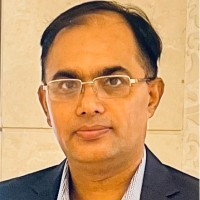
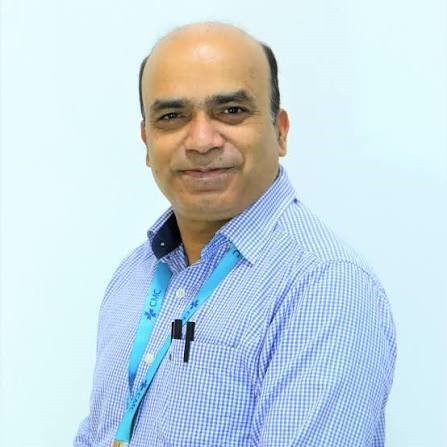
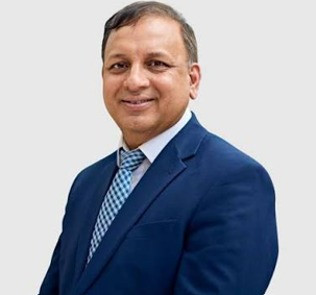
Prof. Dr. Sunil Sah

Prof. Dr. Sunil Sah

Chair, Conference Organising Committee

United Kingdom
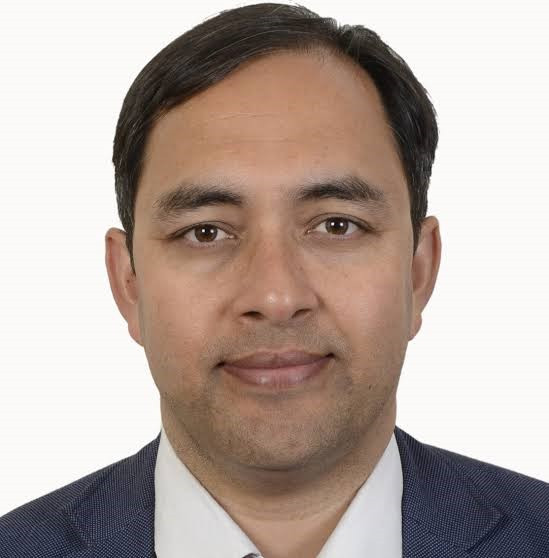
Prof. Dr. Padam Simkhada

Prof. Dr. Padam Simkhada

Chair, Scientific Committee

United Kingdom / Nepal
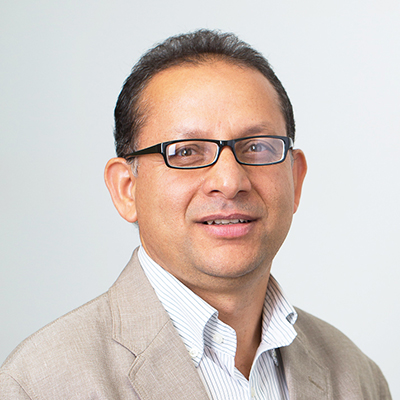
Prof. Dr. Ankur Shah

Prof. Dr. Ankur Shah

Chair, Local Organising Committee; Vice-Chancellor, MIHS

Janakpurdham, Nepal

Welcome to Janakpur

It gives us great pleasure to welcome you to the Sixth NRN Global Health Conference 2026, which will be held in the historic city of Janakpur, Madhesh Province, Nepal, on 4–5 December 2026.

This year's theme, "Reverse Migration with Global Collaboration", reflects an important opportunity for Nepal. The movement of healthcare professionals across borders should not be viewed only as a loss of human resources. With the right policies, partnerships and opportunities, migration can become a powerful mechanism for knowledge transfer, capacity building, innovation, investment and health-system strengthening.

The conference will bring together government leaders, health professionals, academics, researchers, international organisations, development partners, private-sector organisations and members of the Nepali diaspora. We will discuss practical approaches to reverse migration, international training, research collaboration, digital health, healthcare investment, innovation and strengthening health services, particularly in underserved communities.

Importantly, this conference should not end with two days of discussion. We hope to develop long-term partnerships and measurable commitments, including visiting faculty programmes, specialist training, research collaborations, hospital and university partnerships, mentorship programmes, digital-health initiatives and opportunities for diaspora investment.

We warmly invite colleagues from Nepal and around the world to join us in Janakpur. Let us move from brain drain to brain circulation, and from brain circulation to brain gain, creating a model of global collaboration that can contribute to a stronger, more equitable and sustainable health system for Nepal.

Prof. Dr. Sunil Sah · Prof. Dr. Padam Simkhada · Prof. Dr. Ankur Shah

Conference Leadership & Joint Organising Bodies

Dec 4–5, 2026 · Janakpur
Academic & Policy Streams

Thematic Sessions

Explore 11 multi-disciplinary conference tracks addressing key health priorities, policy reform, and diaspora synergy.

Track 01

Migration, Reverse Migration, Brain Circulation & Diaspora Engagement

Exploring models of diaspora knowledge transfer, repatriation of medical talent, circular migration policies, and diaspora contribution mechanisms.

Track 02

Health Systems, Policy, Governance & Workforce

Strengthening provincial health governance, federal healthcare coordination, financing models, and health workforce planning across Nepal.

Track 03

Medical & Health-Professional Education, Fellowships & Specialist Training

Fostering international academic linkages, visiting faculty programmes, post-graduate clinical fellowships, and modern medical curriculum reform.

Track 04

Research, Evidence Translation & Innovation

Translating research into national clinical guidelines and policy, bioethics, clinical trials, and building robust indigenous research capacity.

Track 05

Digital Health, Telemedicine & Technology Transfer

Harnessing remote health delivery, AI-assisted diagnosis, health informatics, EHR systems, and sustainable medical technology transfer.

Track 06

Diaspora Investment & Institutional Partnerships

Public-private partnerships, diaspora healthcare investments, hospital-to-hospital twinning, and philanthropic capital mobilisation.

Track 07

Disaster Response, Health Protection & Health Security

Pandemic preparedness, emergency trauma care, outbreak surveillance, biosafety, and resilient post-disaster healthcare response protocols.

Track 08

Maternal, Child & Reproductive Health

Improving maternal survival rates, neonatal critical care, adolescent health rights, addressing menstrual stigma, and community nutrition.

Track 09

Non-Communicable Diseases (NCDs) & Mental Health

Combating cardiovascular epidemics, diabetes, cancer registries, mental healthcare integration, and community psychosocial support.

Track 10

Climate Change, Emergencies & Planetary Health

Investigating climate-driven vector-borne epidemics, heat stress, environmental toxins, water sanitation, and planetary health resiliency.

Track 11

Health Equity & Services for Underserved Communities

Removing barriers for marginalized and indigenous populations, gender inclusivity, disability services, and primary universal health coverage.

Program Itinerary

Conference Schedule

Two intensive days of plenaries, scientific abstract presentations, policy roundtables, and partnership dialogues.

08:00 – 09:00

Registration & Welcome

Delegate check-in, conference kit distribution, morning networking, and poster area opening.

Registration
09:00 – 10:30

Opening Ceremony & Inaugural Plenaries

Welcome addresses by NRNA leadership, Madhesh Institute of Health Sciences (MIHS), and Madhesh Province Minister of Health.

Plenary
10:30 – 10:45

Networking Tea Break

Exhibition hall open · Poster viewing and interactive diaspora exchange.

Break
10:45 – 12:30

Keynote Address

Invited keynote address by leading international health dignitaries followed by high-level plenary discussion.

Keynote
12:30 – 14:00

Invited & Thematic Contributions

Invited speaker presentations across core thematic areas with interactive audience Q&A.

Invited
14:00 – 16:00

Scientific & Policy Sessions

Parallel breakout sessions featuring oral and poster abstract presentations across selected thematic tracks.

Scientific
16:00 – 17:30

Partnership & Networking Discussions

Bilateral institutional meetings, university-to-hospital partnership formulation, and diaspora collaboration desks.

Networking
18:00 – 20:30

Cultural Evening & Gala Dinner

Celebrating Janakpurdham's rich Maithili cultural heritage, traditional music, and networking reception.

Social
09:00 – 10:30

Scientific Sessions

Continued oral and poster presentations across all 11 thematic tracks; faculty moderation and feedback.

Scientific
10:30 – 10:45

Tea Break & Networking

Poster session viewing, informal discussions, and exhibition stalls.

Break
10:45 – 12:30

Institutional & Diaspora Engagement

Expert panel sessions on institutional partnerships, training fellowships, and sustainable diaspora engagement strategies.

Panel
12:30 – 14:00

Lunch & Roundtable

Diaspora investment and healthcare financing roundtable: exploring tangible commitments for medical infrastructure.

Roundtable
14:00 – 15:30

Collaboration & Legacy Discussions

Workshops drafting actionable frameworks for the Janakpur Global Health Network and bilateral implementation charters.

Workshop
15:30 – 17:00

Closing Ceremony: Janakpur Declaration

Formal adoption and announcement of the Janakpur Declaration 2026, scientific awards ceremony, vote of thanks, and closing remarks.

Plenary
Call For Submissions

Call for Papers – Submit Your Research

Researchers, practitioners, policymakers, students, diaspora professionals and institutional partners are invited to contribute work relevant to the conference theme. Submissions should demonstrate relevance to global health, Nepal's health priorities, diaspora engagement, health-system strengthening or international collaboration.

Submission Deadline October 30, 2026
Decision Notification November 9, 2026
Accepted Presentation Formats: Oral Presentation Poster Display Panel Session Thematic Workshop
Download Abstract Submission Form

How to Submit

1
Prepare abstract: Structured, max 300 words covering Background, Aims, Methods, Results, and Conclusion.
2
Select format: Indicate preferred format (Oral, Poster, Panel, or Workshop).
3
Thematic track: Choose one of the 11 designated conference tracks.
4
Submit via email: Send completed file to abstract.health@nrna.org by October 30, 2026.
5
Notification: Peer-review notification emailed by November 9, 2026.
Required Abstract Fields
1. Abstract Title
2. Submitting Author Name & Title
3. Author Email & Mobile
4. Primary Affiliation & Country
5. Co-Authors & Affiliations
6. Thematic Track (1–11)
7. Preferred Format
8. Structured Abstract (300w)
9. 3–5 Keywords
10. Ethical Approval Statement

* Note: All submissions will be considered through the conference's approved peer scientific review process.

Leadership & Organisers

Conference Committees

Dedicated leaders and experts steering the scientific, operational, and local success of the 2026 conference.

Prof. Dr. Sunil Sah

Prof. Dr. Sunil Sah

Chair, Global Health Committee NRNA
United Kingdom
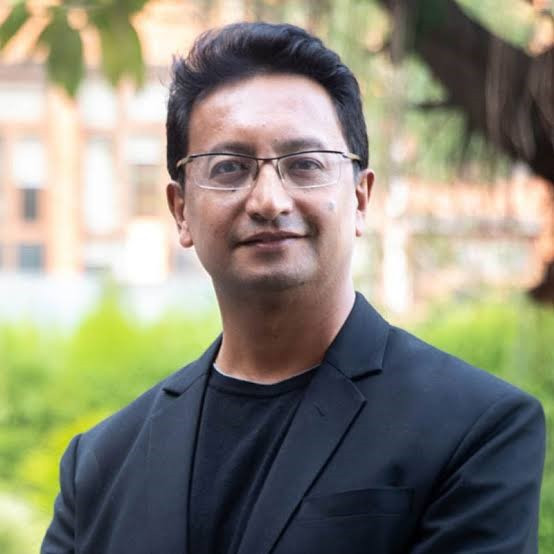
Dr Santosh Kumar Yadav

Dr. Santosh Kumar Yadav

Conference Secretary-General
Dr. Sarita Pandey

Dr. Sarita Pandey

Doctor
South Africa
Prof. Dipak Sapkota

Prof. Dipak Sapkota

Committee Member
Nepal
Dr. Sagar Poudel

Dr. Sagar Poudel

Committee Member
Dr. Aliza KC Bhandari

Dr. Aliza KC Bhandari

Committee Member
Dr. Rakesh Shah

Dr. Rakesh Shah

Conference Organizing Secretary
Nepal
Prof Dr Deepak Yadav

Prof. Dr. Deepak Yadav MDS, OMFS

HOD Dept of OMFS, UCMS
Nepal
Miss Prasuna Kadel

Miss Prasuna Kadel

NRNA ICC Secretary
UK
Dr. Lushun Chalise

Dr. Lushun Chalise

Committee Member

Prof. Dr. Dharmendra Karn

Committee Member

Dr. Manoj Singh

Committee Member

Dr. Prabhat Adhikari

Committee Member

Dr. Khagendra Chapagain

Committee Member

Dr. Nitesh Aryal

Committee Member

Dr. Rabindra Yadav

Committee Member

Mr. Dilip Kumar Pokharel

Committee Member

Miss Prateeti Ghimire

Committee Member

Mr. Arjun Shrestha

Committee Member

Ms. Anisha Bhandari

Committee Member
Prof. Dr. Padam Simkhada

Prof. Dr. Padam Simkhada

Chair, Scientific Committee
Professor of Global Health & Dean of Global Impact and Research, University of Chester
United Kingdom
Prof. Dr. Binod Yadav

Prof. Dr. Binod Yadav

Madhesh Institute of Health Sciences
Nepal
Dr Rajeeb Kumar Sah

Dr. Rajeeb Kumar Sah

Co-Chair, Scientific Committee
UK
Prof Dr Sujan Babu Marahatta

Prof. Dr. Sujan Babu Marahatta

VC, Purbanchal University
Nepal
Prof Dr Dharmendra Karna

Prof. Dr. Dharmendra Karna

KU Nepal
Nepal
Dr Meghnath Dhimal

Dr. Meghnath Dhimal

NHRC Nepal
Nepal
Prof Dr Krishna Poudel

Prof. Dr. Krishna Poudel

University of Massachusetts Amherst
USA
Dr Bibha Simkhada

Dr. Bibha Simkhada

University of Huddersfield
UK
Dr Biraj Karmacharya

Dr. Biraj Karmacharya

Kathmandu University
Nepal
Dr Lalita Kumari Sah

Dr. Lalita Kumari Sah

University of Bradford
UK
Prof Dr Julie Balen

Prof. Dr. Julie Balen

Canterbury Christ Church University
UK
Dr Santosh Gahire

Dr. Santosh Gahire

Aberdeen University
UK
Prof Dr Daya Ram Lamsal

Prof. Dr. Daya Ram Lamsal

Chitwan Medical College
Nepal
Dr Shyam Thapa

Dr. Shyam Thapa

WHO
USA
Dr Krishna Adhikari

Dr. Krishna Adhikari

University of Oxford
UK
Prof Chandra Kala Sharma

Prof. Chandra Kala Sharma

NAN
Nepal
Mr Rajan Poudel

Mr. Rajan Poudel

Institute of Medicine, TU
Nepal
Dr Bindu Devkota-Sapkota

Dr. Bindu Devkota-Sapkota

University of Warwick
UK
Prof Dr Paras Kumar Pokharel

Prof. Dr. Paras Kumar Pokharel

BPKIHS Dharan
Nepal
Dr Robin Pathak

Dr. Robin Pathak

Parkland Health & Hospital System
USA
Prof. Dr. Gopendra Prasad Deo

Prof. Dr. Gopendra Prasad Deo

Anesthesiology & Critical Care, CMC
Nepal
Prof. Dr. Rajesh Kumar Yadav

Prof. Dr. Rajesh Kumar Yadav

Head of Dept Anaesthesiology, Deputy Director
Nepal
Dr. Sanjeeb Sapkota

Dr. Sanjeeb Sapkota

Advisor; Former Chairperson, NRNA Global Health Committee
USA
Prof. Dr. Ankur Shah

Prof. Dr. Ankur Shah

Chair, Local Organising Committee
Vice-Chancellor, Madhesh Institute of Health Sciences (MIHS)
Janakpurdham, Nepal
Prof. Dr. Ram Naresh Pandit

Prof. Dr. Ram Naresh Pandit

Committee Member
Nepal
Dr. Jamun Prasad Singh

Dr. Jamun Prasad Singh

Committee Member
Nepal
Ram Chandra Silwal

Ram Chandra Silwal

Committee Member
Nepal

Dr. Pramod Joshi

Committee Member
Nepal

Media & Communications Committee

Bhagirath Yogi

Bhagirath Yogi

Media Lead
UK
Mr. Chiran Sharma

Mr. Chiran Sharma

Media Member
UK

Atul Mishra

Media Member
Nepal

Anuradha Poudel

Media Member
Nepal
Richa Banjara

Richa Banjara

Conference Secretariat
Nepal

Lomash Dhamala

Marketing Manager, Langtang Ri
Nepal
Global Thought Leaders

Our Invited Speakers

Distinguished academics, public health practitioners, and clinical leaders addressing the 2026 conference.

Featured Keynote Speaker

Invited & Guest Speakers

Prof Eunice Simmons

Prof. Eunice Simmons

Vice-Chancellor, University of Chester

🇬🇧 United Kingdom

Professor Eunice Simmons is Vice Chancellor and Chief Executive of the University of Chester in the northwest of the UK. She has broad sector experience having previously worked at five diverse institutions: the University of London's Wye and Imperial Colleges, UCLan Lancashire as head of the National School of Forestry, the University of Cumbria and Nottingham Trent University where she was Deputy Vice Chancellor. An environmentalist by academic background, Prof Simmons has degrees in biology, soil conservation and forest ecology and has contributed to education and sustainability initiatives in Europe, Japan, Malaysia, China and the Caribbean. She has focused on the twin priorities of education and the environment throughout her career, particularly in large-scale knowledge transfer and implementation projects. As a founding member of Defra's Expert Committee on Forest Science and first Chair of the national charity TASO: Transforming Access & Student Outcomes, she has supported research implementation. Eunice was recognised for sector leadership in education for sustainable development by the Environmental Association of Universities & Colleges and is proud to be the current Chair of Mersey Forest Partnership. This outstanding community forest leads on a UK government 'Trees for Climate' project and works with regional partners to improve the lives of 2.5 million people.

vc@chester.ac.uk
Prof. Dr. Sujan Babu Marahatta

Prof. Dr. Sujan Babu Marahatta

Vice-Chancellor, Purbanchal University, Nepal

🇳🇵 Nepal

Prof. Dr. Sujan Babu Marahatta is the Vice-Chancellor of Purbanchal University, Nepal, where he provides strategic leadership in advancing academic excellence, research, innovation and societal impact. With a strong background in public health and medical education, he has been actively engaged in strengthening higher education, health research and capacity development in Nepal. His leadership emphasises multidisciplinary collaboration, technology-enabled learning and the translation of knowledge into solutions for society. He is committed to developing centres of excellence, strengthening research and innovation, and preparing future generations of professionals to contribute to Nepal's development and address emerging global challenges.

Prof Paul Bissell

Prof. Paul Bissell

Pro Vice-Chancellor for Research & Innovation, Univ. of Chester

🇬🇧 United Kingdom

Professor Paul Bissell is Pro Vice-Chancellor for Research and Innovation and Professor of Public Health at the University of Chester. His research spans public health, health inequalities, medical sociology, behavioural health and health services research. He has led and contributed to a wide range of externally funded research projects and has published extensively on public health policy, social determinants of health and healthcare systems. Professor Bissell has supervised numerous doctoral researchers and has held senior leadership positions at the Universities of Chester, Huddersfield and Sheffield. His work is recognised internationally for its contribution to applied public health research and evidence-informed policy development.

p.bissell@chester.ac.uk
Prof Padam Simkhada

Prof. Padam Simkhada

Dean of Global Impact and Research, University of Chester

🇬🇧 UK / 🇳🇵 Nepal

Professor Padam Simkhada is an internationally recognised global health academic, researcher and research leader with extensive experience in public health, health systems strengthening, migration and migrant health, maternal and child health, global health policy and international development. As Dean of Global Impact and Research at the University of Chester, he leads the University's research, innovation and international impact agenda. He has worked extensively across Asia, Africa and Europe, developing international partnerships and leading collaborative research programmes that have informed policy and practice. His work focuses on addressing health inequalities, strengthening healthcare systems, NCDs prevention, building research capacity and promoting evidence-informed policymaking to improve population health outcomes globally.

p.simkhada@chester.ac.uk
Dr Kirstie Simpson

Dr. Kirstie Simpson

Acting Executive Dean, Faculty of Science, Business and Enterprise, Univ. of Chester

🇬🇧 United Kingdom

Dr Kirstie Simpson is Acting Executive Dean of the Faculty of Science, Business and Enterprise at the University of Chester, providing strategic leadership across the Chester Business School, School of Natural Sciences, and School of Computer and Engineering Sciences. As a member of the University's Senior Leadership Team, she plays a key role in advancing academic excellence, student success, research, innovation, internationalisation and external engagement. She has extensive experience in higher education leadership, curriculum development, business and enterprise education, and fostering partnerships with industry and professional bodies. Her work focuses on preparing graduates for a rapidly changing global environment while promoting innovation, sustainability and enterprise-led solutions to contemporary challenges.


k.simpson@chester.ac.uk
Prof. Julie Balen

Prof. Julie Balen

Prof. of Health Systems & Global Change, Canterbury Christ Church Univ.

🇬🇧 United Kingdom

Professor Julie Balen is an internationally recognised global health researcher specialising in health systems strengthening, health policy, implementation science and health equity. With more than two decades of experience across Asia, Africa and Europe, her work focuses on improving health outcomes through evidence-based policy and sustainable health-system development. She has led and collaborated on major projects funded by organisations including the NIHR and WHO, and has established long-standing partnerships in Nepal, Bangladesh, Ghana, Nigeria and The Gambia. Her research combines interdisciplinary and participatory approaches to address complex public health challenges and strengthen health services in low-resource settings.

Prof. Edwin van Teijlingen

Prof. Edwin van Teijlingen

Professor of Reproductive Health, Bournemouth University

🇬🇧 United Kingdom

Professor Edwin van Teijlingen is a leading public health and medical sociology scholar with international expertise in reproductive health, maternal health, health systems research and mixed-methods research. He has published extensively on public health, social sciences and healthcare organisation, with a particularly strong research engagement in Nepal and South Asia. His work has contributed significantly to strengthening research capacity, evidence-informed practice, maternal and reproductive health services, and public health education. Professor van Teijlingen has collaborated with universities, NGOs and policymakers across multiple countries and is widely recognised for his contribution to global health research and training.

Prof. Sara Parker

Prof. Sara Parker

Prof. of Collaborative Action Research, Liverpool John Moores Univ.

🇬🇧 United Kingdom

Professor Sara Parker is an internationally recognised researcher whose work focuses on collaborative action research, gender, social justice, education and community empowerment. She has worked in Nepal for more than three decades and has led influential international projects addressing menstrual health, social inclusion and community participation. Her research approach combines academic excellence with practical engagement, ensuring that evidence contributes directly to policy and social change. Professor Parker is widely known for her work on menstrual stigma and women's empowerment in Nepal and has built strong partnerships with local communities, researchers, activists and policymakers throughout South Asia.

Prof. Clare-Ellen McNaught

President, Royal College of Surgeons of Edinburgh (RCSEd)

🇬🇧 United Kingdom

Professor Clare-Ellen McNaught is President of the Royal College of Surgeons of Edinburgh, one of the world's oldest and most prestigious surgical colleges. A consultant colorectal and general surgeon, she has combined clinical excellence with a strong commitment to surgical education, professional standards and workforce development. Before becoming President, she served in a variety of leadership roles within RCSEd, including Vice President, examiner and Honorary Secretary. Her work has focused on improving patient care, supporting professional development and advancing surgical training across the United Kingdom and internationally. She is a respected advocate for excellence in healthcare education and leadership.

Prof. Dr. Paras K. Pokharel

Prof. Dr. Paras K. Pokharel

B.P. Koirala Institute of Health Sciences (BPKIHS), Dharan

🇳🇵 Nepal

Prof. Dr. Paras K. Pokharel is a distinguished public health academic, community physician and researcher with a long association with the B.P. Koirala Institute of Health Sciences (BPKIHS), Dharan, Nepal, particularly its School of Public Health and Community Medicine. He has extensive experience in public health, epidemiology, community-based medical education and health systems, with particular interests in health literacy, international health and underserved populations. His work has contributed to strengthening community-oriented medical education and linking health professional training with the health needs of rural communities in Nepal. He has also contributed to work on antimicrobial resistance and health policy at national and international levels.

Collaborating Entities

Organising Partners

Forging impactful alliances across government, academia, and the global non-resident diaspora.

Principal Organisers

NRNA

Non-Resident Nepali Association (Global Health Committee)

MIHS

Madhesh Institute of Health Sciences, Janakpurdham
In Collaboration With
Ministry of Health & Food Safety, Madhesh Province
Government of Nepal
University of Huddersfield, UK
GCPHR (Global Centre for Public Health & Policy Research)
Destination Janakpur

Historic Janakpurdham, Madhesh Province

Renowned as the ancient capital of the Mithila Kingdom and a sanctuary of spiritual, cultural, and intellectual heritage. Hosting the conference in Janakpur marks a strategic milestone in extending global health engagement outside Kathmandu directly into provincial healthcare hubs.

Host Institution

Madhesh Institute of Health Sciences (MIHS), Janakpurdham, Nepal

Airport Access

Janakpur Airport (JYR) with multiple 25-minute daily flights from Kathmandu (KTM).

Road Connectivity

Easily accessible via BP Highway and East-West Mahendra Highway.

Milestone: First NRN Global Health Conference held in a provincial city outside Kathmandu.
Get In Touch

Contact & Conference Secretariat

Reach out to our dedicated committees for abstract queries, registration assistance, and media accreditations.

Abstract Submissions

For scientific paper guidelines, submission inquiries, and reviewer correspondence.

Delegate Registration

For attendee badges, local accommodation in Janakpur, and group registrations.

General & Media Relations

For press partnerships, sponsorship opportunities, and NRNA ICC administrative support.